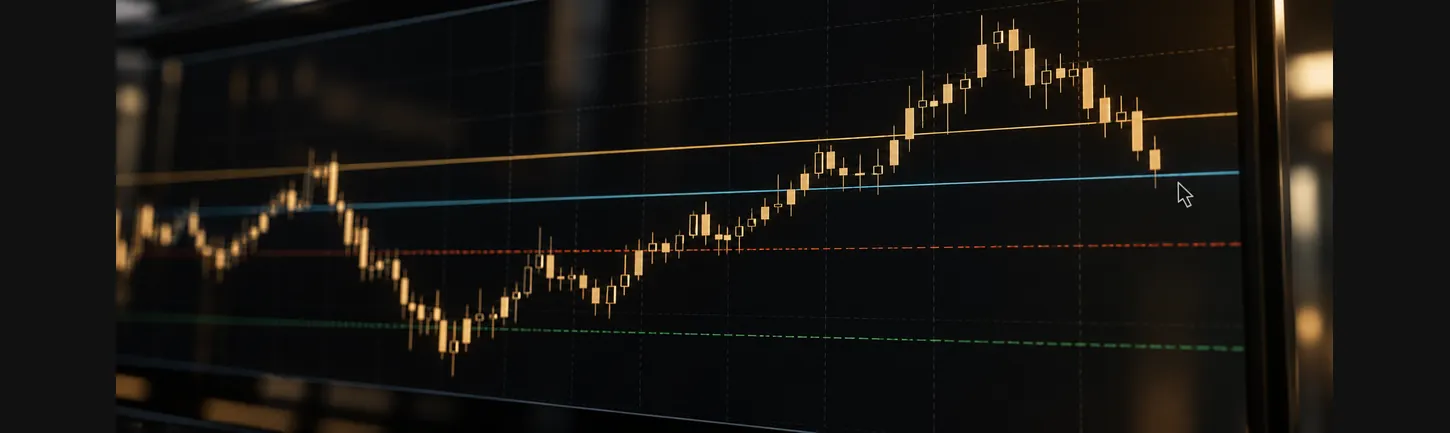
Commodity trading attracts traders from around the world because it offers access to some of the most actively traded markets, including gold, silver, crude oil, natural gas, and agricultural products. These markets can present significant opportunities for capital growth, portfolio diversification, and exposure to global economic trends.
However, commodity trading is often misunderstood by beginners. Many new traders enter the market believing that success comes from predicting whether prices will move up or down. In reality, successful trading requires a combination of market knowledge, risk management, discipline, and strategy.
Understanding common commodity trading mistakes can help traders avoid unnecessary losses and build a stronger foundation for long-term success. Whether you are exploring commodity trading for beginners or looking to improve your existing approach, recognizing these mistakes is the first step toward becoming a more confident trader.
Why Commodity Trading Is Different
Unlike stocks, commodities are heavily influenced by supply and demand dynamics, geopolitical developments, weather conditions, economic data, and currency movements.
For example:
- Crude oil prices can be affected by production decisions and global conflicts.
- Gold prices often react to inflation and interest rate expectations.
- Agricultural commodities can experience significant volatility due to weather events and crop yields.
Because of these unique factors, traders need to understand what drives commodity prices before placing trades.
Mistake #1: Trading Without Understanding the Market
One of the biggest beginner trading mistakes is entering positions without understanding how the commodity market works.
Many new traders see a price movement on a chart and immediately place a trade without researching the factors behind the move. This often leads to emotional decisions and poor trade execution.
Before trading commodities online, traders should understand:
- Supply and demand fundamentals
- Seasonal market patterns
- Economic indicators
- Global geopolitical events
- Commodity-specific news
Knowledge helps traders make informed decisions instead of reacting to short-term price fluctuations.
Mistake #2: Ignoring Risk Management
Many beginners focus entirely on potential returns while overlooking potential losses.
Risk management is one of the most important components of successful commodity trading. Even experienced traders encounter losing trades. The difference is that they manage their risk effectively.
Common risk management mistakes include:
- Trading too large a position
- Not using stop-loss orders
- Risking too much capital on a single trade
- Overexposing the account to one commodity
A widely accepted approach is to risk only a small percentage of trading capital on each trade. This helps traders remain active in the market even after a series of losses.
Mistake #3: Using Excessive Leverage
Leverage allows traders to control larger positions with a smaller initial investment. While leverage can increase potential returns, it can also magnify losses.
Many beginners underestimate the risks associated with leverage and open positions that are far too large for their account size.
For example, a relatively small movement in crude oil or gold prices can have a substantial impact on an overleveraged account.
When starting out, traders should focus on preserving capital rather than maximizing position size. Lower leverage often provides more flexibility and reduces emotional pressure during market fluctuations.
Mistake #4: Trading Based on Emotions
Fear and greed are responsible for countless trading mistakes.
When prices move rapidly, inexperienced traders often make emotional decisions such as:
- Entering trades too late
- Closing winning trades too early
- Holding losing trades for too long
- Chasing market momentum without a plan
Emotional trading typically results in inconsistent performance.
Professional traders rely on predefined trading plans and objective rules. They understand that every trade will not be successful and focus on executing their strategy consistently rather than reacting emotionally.
Mistake #5: Failing to Create a Trading Plan
A trading plan provides structure and discipline.
Without a plan, traders often make decisions based on intuition, social media opinions, or short-term market noise.
An effective commodity trading plan should define:
- Entry criteria
- Exit criteria
- Risk management rules
- Position sizing guidelines
- Trading objectives
Having a clear plan helps eliminate guesswork and promotes consistency over time.
Mistake #6: Overtrading the Market
Many beginners believe that more trades automatically lead to better results.
In reality, overtrading often increases transaction costs, emotional stress, and unnecessary risk exposure.
Common signs of overtrading include:
- Trading every market movement
- Constantly monitoring charts
- Opening multiple positions without proper analysis
- Attempting to recover losses immediately
Successful traders understand that patience is often more valuable than activity. Waiting for high-quality trading setups can improve decision-making and reduce unnecessary exposure.
Mistake #7: Ignoring Fundamental Analysis
Technical analysis is an important tool, but relying solely on charts can be risky in commodity markets.
Commodity prices frequently react to fundamental developments such as:
- Central bank decisions
- Inflation reports
- Energy inventory data
- Production reports
- Weather forecasts
- Trade policies
For example, a strong technical setup in crude oil may quickly become invalid if unexpected supply data dramatically changes market expectations.
Combining technical and fundamental analysis often provides a more complete view of market conditions.
Mistake #8: Not Understanding Volatility
Commodity markets are known for their volatility.
Gold, oil, natural gas, and agricultural commodities can experience significant price swings within short periods.
Many beginners underestimate this volatility and place stop-loss orders that are too tight, causing trades to close prematurely.
Understanding average market movement helps traders set realistic expectations and build appropriate risk management strategies.
Recognizing commodity market risks is essential when developing a trading approach.
Mistake #9: Following Market Hype
Social media, online forums, and financial influencers can create excitement around specific commodities.
While market commentary can provide useful insights, blindly following recommendations without conducting independent research is risky.
Many traders enter positions simply because others appear confident about a market direction.
Successful traders develop their own analysis process and verify information before making trading decisions.
Independent thinking is often a valuable advantage in volatile commodity markets.
Mistake #10: Expecting Immediate Success
Perhaps the most common mistake among beginners is expecting instant results.
Commodity trading is a skill that develops over time. Like any profession, it requires learning, practice, and experience.
New traders often become discouraged after a few losing trades and abandon their strategy prematurely.
The reality is that successful traders focus on continuous improvement rather than short-term outcomes.
Key areas for ongoing development include:
- Market education
- Risk management
- Trading psychology
- Strategy testing
- Performance review
Consistent learning can significantly improve decision-making over the long term.
Practical Tips for Commodity Trading Beginners
For those interested in commodity trading for beginners , the following principles can help establish a stronger foundation:
- Start With Education – Learn how different commodities behave and what factors influence their prices.
- Use a Demo Account – Practice trading strategies in a risk-free environment before committing real capital.
- Focus on Risk Management – Protecting capital should always be a priority.
- Maintain a Trading Journal – Record trades, decisions, and outcomes to identify strengths and areas for improvement.
- Stay Updated on Market News – Monitor economic releases, supply reports, and global developments that may impact commodity prices.
- Develop Realistic Expectations – Successful trading is a long-term journey rather than a quick path to financial gains.
Building Long-Term Success in Commodity Trading
Commodity markets offer diverse opportunities across energy, metals, and agricultural products. However, success depends less on predicting every market move and more on avoiding common mistakes.
Understanding commodity trading mistakes , managing risk carefully, controlling emotions, and maintaining a disciplined trading plan can significantly improve a trader’s chances of long-term success.
Whether you are just beginning to explore trading commodities online or refining your existing approach, focusing on education and consistency can help you navigate market uncertainty more effectively.
The most successful traders are not necessarily those who make the biggest gains on individual trades. Instead, they are the ones who consistently apply sound commodities trading strategies , protect their capital, and continue learning as market conditions evolve.
By avoiding these common beginner mistakes, traders can approach the commodity markets with greater confidence, better decision-making, and a stronger foundation for sustainable trading performance.