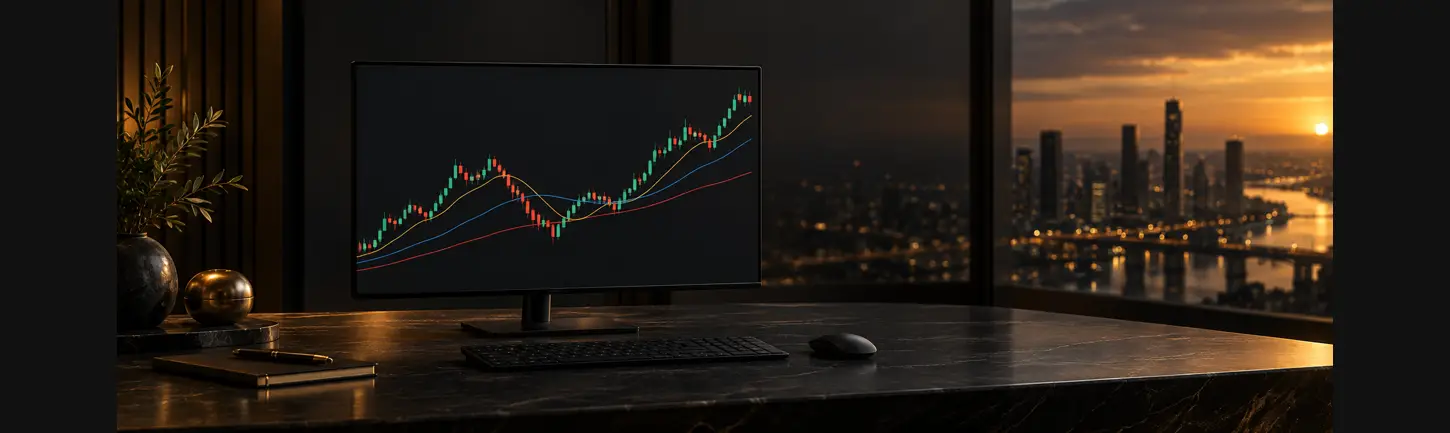
Ask most traders in the UAE what they think of when someone mentions precious metals, and gold comes up almost instantly. It makes sense given the region's deep cultural and economic ties to gold. But there's another metal quietly building momentum on trading desks across Dubai and Abu Dhabi, and it's been doing so for a while now. Silver trading UAE activity has picked up noticeably heading into 2026, and traders who've been paying attention are starting to see why this commodity deserves more than a passing glance.
Why Silver Has Been Flying Under the Radar
Silver has always lived in an odd spot. It's a precious metal, sure, but it's also an industrial one, used heavily in electronics, solar panels, and a growing list of green energy applications. That dual identity has made it harder to pin down than gold, which trades almost purely as a safe-haven asset. For years, this complexity pushed silver to the sidelines while gold dominated headlines and portfolios alike.
That's starting to shift. As industrial demand for silver climbs alongside renewable energy adoption, and as investors look for alternatives to an increasingly expensive gold market, silver trading 2026 is becoming a genuine talking point rather than an afterthought. The gold-to-silver ratio, a metric many seasoned traders watch closely, has stayed elevated for an extended stretch, which some view as a signal that silver may be undervalued relative to its historical relationship with gold.
What's Driving Silver Demand Right Now
A few forces are converging at once. First, the global push toward solar energy continues to expand, and silver is a key component in photovoltaic cell manufacturing. Second, electric vehicle production and broader electronics manufacturing keep consuming industrial silver at a steady clip. Third, with macroeconomic uncertainty still a regular feature of financial headlines, more traders are treating silver as a hedge, much like they would gold, but at a lower entry cost per ounce.
For UAE-based traders specifically, there's an added layer of relevance. The region's strong familiarity with commodities trading, combined with growing interest in diversifying beyond traditional gold positions, has created fertile ground for silver to gain traction. Traders who already understand how to approach silver prices through the lens of geopolitical events and market dynamics are well positioned to apply that same thinking to active trading strategies.
Silver vs Gold Trading: How They Actually Differ
When comparing silver vs gold trading, the most obvious difference is volatility. Silver tends to move in sharper, faster swings than gold. That can work in a trader's favor if positions are timed well, but it also means risk management needs to be tighter. Gold is generally viewed as the steadier, more conservative play, while silver offers higher potential reward paired with higher potential downside.
Liquidity is another factor worth understanding. Gold markets are deeper and somewhat more predictable in terms of how they react to news. Silver, being a smaller market by trading volume, can react more sharply to the same headlines, sometimes producing outsized moves relative to gold's response to identical news. This is exactly why traders interested in trading both metals benefit from understanding their distinct behavior patterns rather than assuming one strategy fits both.
Cost is also a consideration. Silver's lower price per ounce makes it more accessible for traders working with smaller account sizes, which is part of why interest in this metal has grown among newer market participants alongside experienced ones.
How to Trade Silver Online in the UAE
Getting started with silver doesn't require reinventing your existing trading approach. Most traders who already work with CFDs or forex find the transition fairly natural, since the core mechanics of going long or short, managing leverage, and setting stop-loss levels remain consistent across asset classes.
A few practical points worth keeping in mind:
Spot contracts suit traders who want flexible positioning without worrying about expiry dates, while futures contracts appeal to those running more structured, time-bound strategies. Understanding which structure aligns with your trading style is one of the first decisions to make before placing a position.
Spread costs matter more than people often assume, particularly for a metal as volatile as silver. Tight, transparent spreads can make a meaningful difference over the course of multiple trades, especially for active or short-term traders.
Timing around major economic releases, central bank announcements, and industrial demand reports tends to create some of the sharpest silver price movement. Traders who keep half an eye on these calendar events generally find themselves better prepared than those trading reactively.
If you're looking to trade silver online UAE-wide, CMS Prime offers access to silver through its commodities trading offering, alongside gold, oil, and other major metals, with spot and futures contracts designed to fit different trading approaches.
Building Silver Into a Broader Strategy
Silver rarely works best as a standalone bet. Most experienced traders treat it as one piece of a wider commodities or multi-asset approach, often pairing it with gold positions, forex exposure, or even index trading to balance out portfolio risk. Diversifying across asset types helps smooth out the impact of volatility in any single market, which is particularly relevant given silver's tendency toward sharper price swings.
For traders already active in forex, expanding into precious metals trading Dubai-based desks have increasingly embraced isn't a huge leap. The same discipline around risk management, technical analysis, and macro awareness applies, just with a different underlying asset. Traders curious about how commodities fit alongside other instruments may also find it useful to look at index trading as another way to round out a diversified approach.
It's also worth revisiting how external factors shape silver's movement over time. For a deeper look at the forces behind silver price behavior, including political and economic influences, CMS Prime's earlier piece on the dynamics of silver prices offers useful background for traders wanting more context before building a position.
A Few Things to Keep in Mind Before You Start
Silver's volatility cuts both ways, so position sizing deserves real attention rather than guesswork. Traders who size positions too aggressively in a fast-moving market often find themselves exposed to larger drawdowns than intended.
Leverage amplifies both upside and downside, which makes it worth approaching cautiously, particularly for those newer to the metal. Starting with smaller positions while building familiarity with silver's specific price behavior tends to be a sound approach.
Lastly, keep an eye on the broader macro picture. Inflation data, interest rate decisions, and industrial demand reports from major economies all play a role in silver's price action, sometimes more directly than they affect gold.
Final Thoughts
Silver isn't a flashy headline grabber the way gold often is, but that's part of what makes it interesting right now. As industrial demand grows and traders look for ways to diversify beyond the usual gold-heavy approach, silver trading UAE interest looks set to keep building through 2026. For traders willing to put in the work to understand its unique behavior, silver offers a genuinely underrated opportunity, one that's increasingly hard to ignore.
Whether you're an experienced commodities trader or just starting to explore precious metals, CMS Prime's platforms give UAE traders the tools to access silver alongside gold, oil, forex, and indices, all from a single account