What Is a PAMM Account? Ways to Earn Passive Income Through Managed Forex Trading
For many people, the idea of earning from the financial markets sounds appealing—but the reality of learning charts, managing risk, and staying disciplined can feel overwhelming. Not everyone has the time or the interest to become a full-time trader. This is where a PAMM account comes into the picture.
A PAMM account offers a structured way to participate in managed forex trading, allowing investors to benefit from the expertise of experienced traders without placing trades themselves. It bridges the gap between active trading and passive investing, making it an option worth understanding for those exploring passive income forex opportunities.
In this guide, we’ll break down what a PAMM account is, how it works, and what you need to consider before allocating your capital.
Understanding the Basics of a PAMM Account
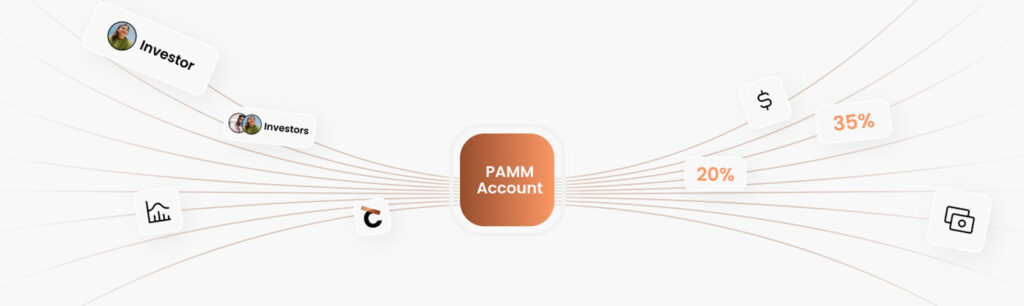
A PAMM account, short for Percentage Allocation Management Module, is a type of forex investment account where multiple investors pool their funds. These funds are then managed by a professional trader, often referred to as the money manager.
Instead of each investor trading individually, the manager executes trades on behalf of the entire pool. Any gains or losses are distributed proportionally, based on each investor’s contribution.
Think of it as a shared account where one experienced trader handles the decision-making, while investors participate in the results without needing to actively trade.
How a PAMM Account Works in Practice
To understand the concept better, imagine a scenario where a trader manages a PAMM account with a total balance of $100,000. If you invest $10,000, your share represents 10% of the total pool.
When the manager executes trades:
The trader typically earns a performance fee—often a percentage of the gains generated. This aligns the manager’s incentives with the investors, as their earnings depend on delivering consistent results.
This structure makes managed forex trading more accessible, especially for individuals who prefer a hands-off approach.
Why Investors Consider PAMM Accounts
One of the main reasons investors explore PAMM accounts is the opportunity to generate passive income forex without spending hours analyzing markets.
Instead of learning technical indicators or monitoring economic releases daily, investors rely on the expertise of a skilled trader. This can be particularly appealing for those who already have demanding schedules or other business commitments.
Another advantage is diversification. By allocating funds to different managers or strategies, investors can spread risk across multiple trading approaches rather than relying on a single position or market view.
The Role of the Money Manager
The success of a PAMM account largely depends on the trader managing it. These individuals are responsible for:
A strong PAMM trading strategy is not just about achieving high returns in a short period. It’s about sustaining performance while controlling drawdowns and adapting to changing market conditions.
For investors, reviewing a manager’s track record, risk profile, and trading style becomes essential before committing funds.
Risk and Reality: What You Need to Know
While PAMM accounts can offer a streamlined way to access the forex market, they are not risk-free. It’s important to approach them with a clear understanding of how the market behaves.
Forex trading is influenced by global economic factors, interest rates, and geopolitical events. Even experienced traders face periods of loss. As an investor, your capital is exposed to these fluctuations.
The key is to evaluate risk realistically:
A well-managed PAMM account aims to balance growth with capital preservation, but there are no guarantees.
How to Choose the Right PAMM Account
Selecting the right PAMM account is one of the most critical steps. Not all managers operate with the same level of discipline or transparency.
Here are a few factors to consider:
Performance History
Look beyond short-term gains. A longer track record provides better insight into how the manager handles different market conditions.
Risk Management Approach
Check how the manager controls losses. Consistent risk control often matters more than aggressive growth.
Drawdown Levels
This indicates how much the account has declined during unfavorable periods. Lower drawdowns typically suggest better risk handling.
Fee Structure
Understand how the manager is compensated. Most PAMM accounts operate on a performance-based fee model.
Transparency
Reliable managers provide clear data on trades, performance metrics, and strategy.
Taking the time to evaluate these factors helps ensure that your participation in forex investment accounts is informed rather than speculative.
Ways to Earn Passive Income Through PAMM Accounts
Earning through a PAMM account is not about quick gains. It’s about building a steady approach to market participation.
1. Allocating to Experienced Traders
By choosing a disciplined manager, you leverage their expertise without actively trading yourself.
2. Diversifying Across Strategies
Instead of investing in a single PAMM account, some investors distribute funds across multiple managers to reduce exposure.
3. Reinvesting Returns
Compounding plays a role over time. Reinvesting gains can gradually increase your capital base.
4. Monitoring Without Overreacting
While PAMM accounts are passive, they still require periodic review. Avoid making decisions based on short-term fluctuations.
5. Aligning Expectations
Consistent returns over time are more sustainable than aiming for rapid growth.
This approach reflects a more measured way of participating in managed forex trading, where patience often matters more than speed.
Common Misconceptions About PAMM Accounts
Despite their growing popularity, PAMM accounts are often misunderstood.
Some believe they offer guaranteed returns. In reality, market conditions can change quickly, and no strategy is immune to losses.
Others assume that a strong past performance ensures future results. While history provides insight, it should not be the only factor in decision-making.
There is also a misconception that PAMM accounts require no oversight. While they are passive, staying informed and reviewing performance periodically is still necessary.
Understanding these points helps set realistic expectations.
Who Should Consider a PAMM Account
A PAMM account may suit individuals who:
It may not be ideal for those seeking full control over every trade or expecting guaranteed outcomes.
Like any financial decision, it should align with your overall strategy and risk tolerance.
Final Thoughts
A PAMM account provides a structured way to access the forex market through professional management. It allows investors to participate in managed forex trading without needing to develop advanced trading skills themselves.
However, success in this space is less about finding a perfect manager and more about understanding how the system works. Evaluating risk, choosing wisely, and maintaining realistic expectations are all part of the process.
For those exploring passive income forex opportunities, PAMM accounts can serve as a practical entry point—offering both accessibility and exposure to the global currency market.
The key is to approach it not as a shortcut, but as a disciplined investment method that requires careful consideration and ongoing awareness.

